Conservare
Wildlife conservation, on a global scale
Wildlife
conservation
imagined
on
a
global
scale
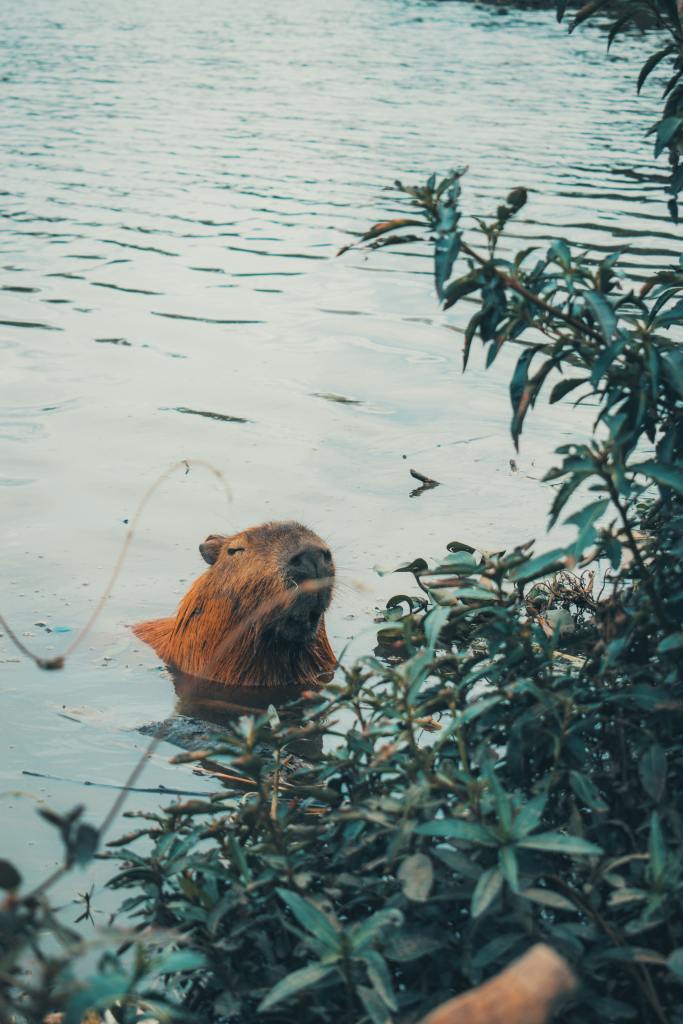
The need for conservation….
The world’s natural environment has been in a gradual process of degradation and land use change since the onset of the Holocene and the introduction of intensive agriculture, around 11,000 years ago. As human activity pushes the Earth’s systems and planetary boundaries into the Anthropocene, we are seeing an unprecedented global loss in floral and faunal biodiversity. Wildlife conservation aims to re-establish the natural equilibrium of the Earth’s ecosystems by protecting and restoring vulnerable or extirpated species of the environment in every environment on every continent.
Our goal…
Conservare aims to provide a comprehensive, balanced & truly global information resource by accentuating the developing nature of conservation throughout the world, rather than focusing on a few nations. We aim to highlight successful conservation projects, pinpoint areas in need of action and also discuss the localised, unique challenges & barriers to wildlife conservation. The future of the planet’s wildlife depends upon universal conservation of all species, not isolated projects protecting ‘glamour species’, as these cannot survive in the wild without their respective healthy ecosystems. Our aim is to highlight the importance of all types of wildlife conservation, regardless of country or species to in order to develop a holistic, healthy planet.
“[Humans] are not owners of the earth. They are simply its possessors, its beneficiaries, and have to bequeath it in an improved state to succeeding generations.”
— Karl Marx, 1867
The State of the Earth
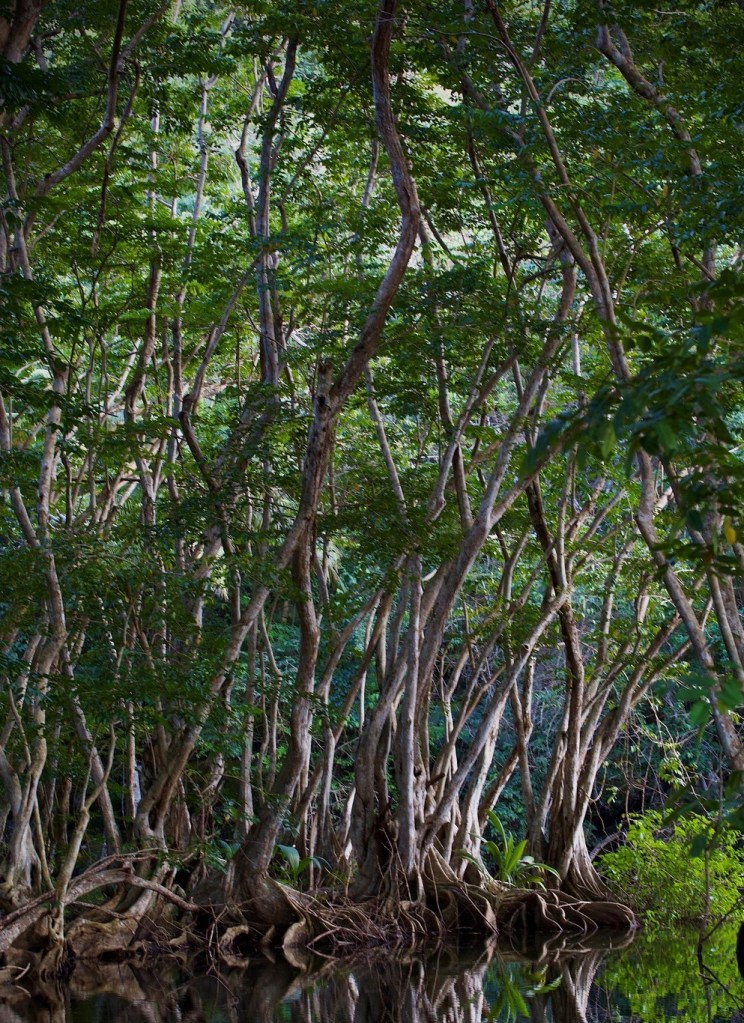
Indonesian Mangrove forest
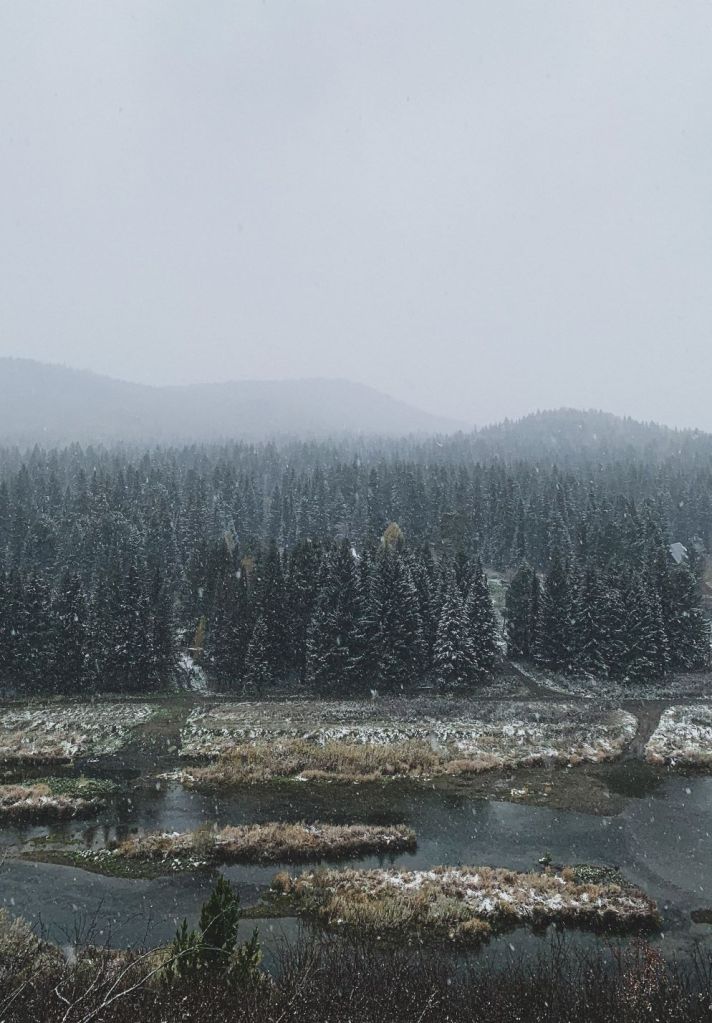
Siberian Taiga
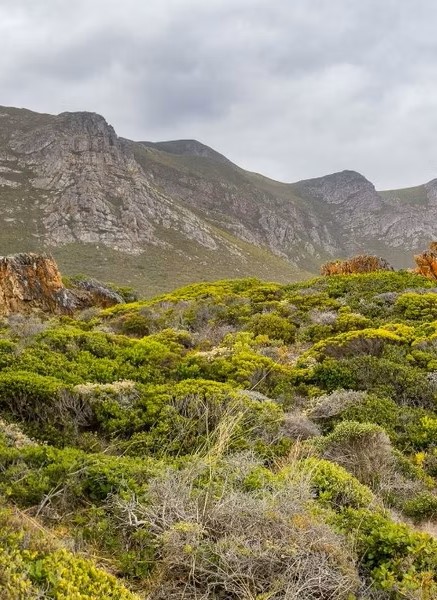
South African Fynbos
The Earth is home to many unique biomes, they are specialised and composed of so many components, that there isn’t a consensus of how many biomes we have. Biomes are determined by temperature range, light levels, precipitation, soil composition and elevation (among other factors), so biomes are subject to change when the factors influencing them are altered too.
Through climate change, environmental destruction, pollution and countless other factors, the Earth has been brought into a new epoch, the Anthropocene. Human activity has altered the Earth’s systems to such a degree, that the traditional boundaries of biomes are being lost, a process called ‘biome shift’. Biome shift will lead to the process of ecosystems ‘shifting’ to either colder or warmer climates, replacing the traditional biome as it moves. As the biome shifts, it would lead to a massive loss in specialised flora and fauna, as species cannot always survive this shift due to losses in traditional food sources, new predators or a lack of ability to migrate with the biome.
Looking towards the future, the first objective of conservationists will be to mitigate the effects of climate change locally. This can be achieved through a more productive, biodiverse ecosystem as these act as carbon sinks and are more resistant to climate change. Therefore, if we have more effective and expansive conservation programs, we can reverse some impacts of climate change and biome shift, while improving ecosystem services and boosting biodiversity.
The Potential of Wildlife Reintroduction
Reintroduction of extirpated species can restore balance to an ecosystem and transform its environment. This can be a provide a myriad of benefits to both human & wildlife through increased habitat niches, plant biodiversity & ecosystem services.
The interactive slider below demonstrates the impact of beaver colonisation and how beavers can shape riverine & riparian landscape by influencing hydrogeomorphic processes that connect rivers to floodplain ecosystems. These actions create a shifting mosaic of habitats which allow for a more sophisticated ecosystem & improved ecosystem services.
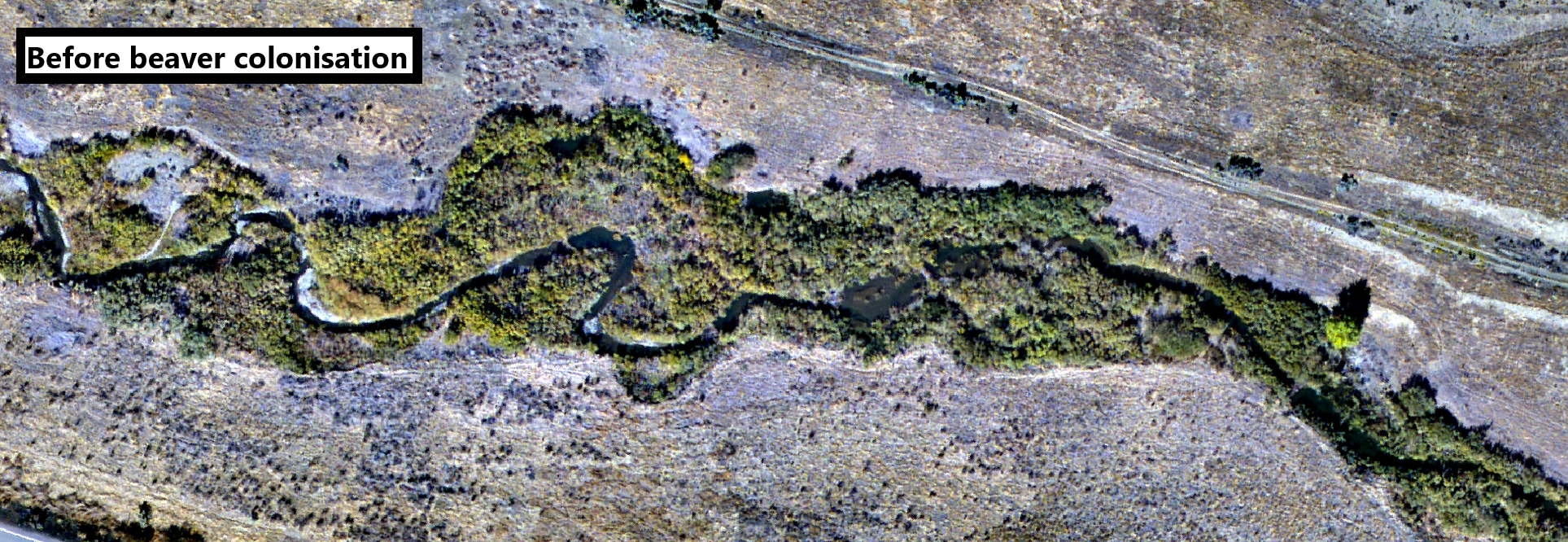
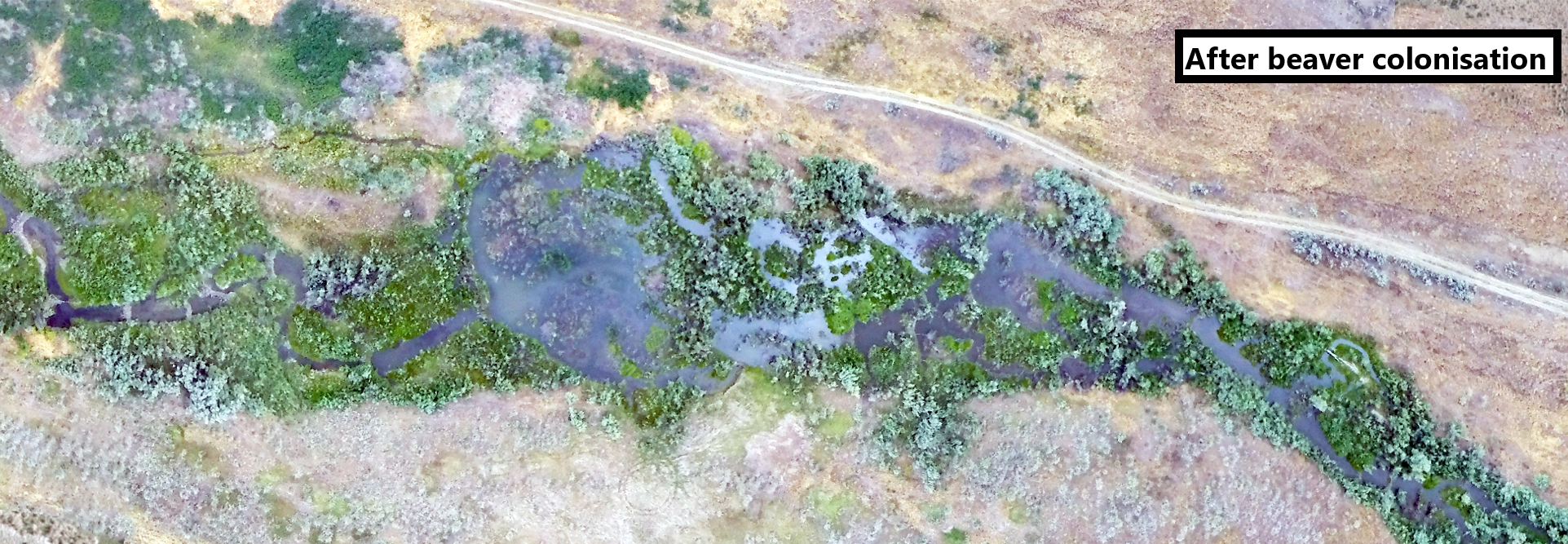
Weber et al. (2017), showing a river before and after beaver colonisation.
Successes of Wildlife Conservation
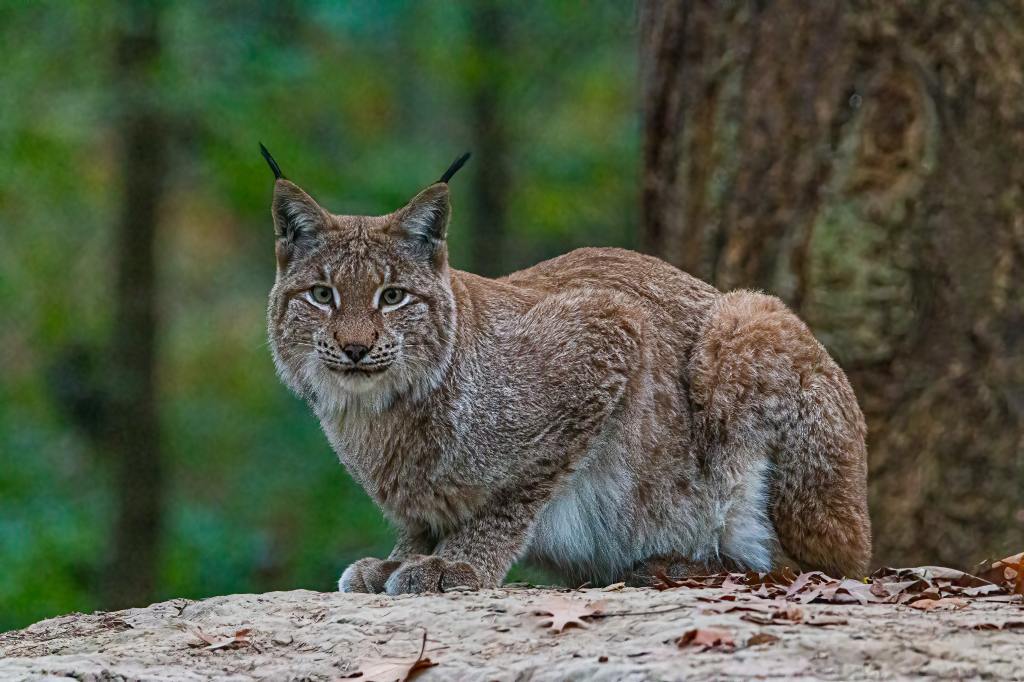
Iberian Lynx
The Iberian Lynx was facing extinction in the early 2000s due to the loss of prey, degradation of their habitat and hunting. With less than a hundred lynx’s left on the peninsula in 2002, it looked increasingly probable that the Iberian Lynx would be the first cat species to go extinct since the Smilodon (Sabre Toothed Tiger), roughly 10,000 years ago. Despite this, the Lynx has seen a stunning resurgence in the past 20 years thanks to a collaborative conservation program, which brings their current population number to around 1000.
The multifaceted conservation program achieved this success through a blend of reintroduction and rewilding. The rewilding process focused on building wildlife tunnels underneath highways, reversing monocultures and restoring traditional agroforestry systems which support a much higher level of biodiversity. Moreover, to ensure the sustainability of the future lynx population, the conservation of their traditional prey, the European Rabbit, is also being boosted.
Although the future of the Iberian Lynx is by no means secure, it is an encouraging case study in how quickly a species can be brought back into their natural range from the brink of extinction, through an aggregation of conservation strategies.
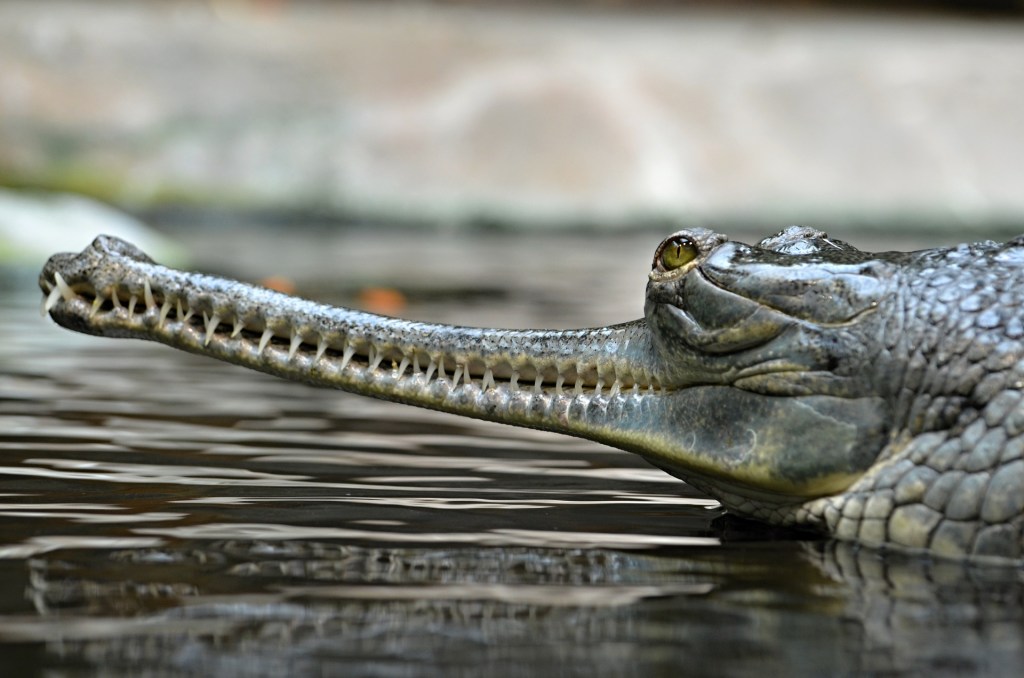
Gharial
The gharial of India, Nepal and Bangladesh had become critically endangered due to destructive fishing practices, riverbank erosion and land use change. Their population saw a 98% decline between 1946 to 2006 which left gharial groups isolated from each other due to their shrinking range.
Through the Gharial Reinforcement project, a collaborative effort between the Wildlife Trust of India and the Bihar Forest Department, the populations of gharial have seen a healthy increase. A recent survey between 2017 & 2018, by the Wildlife Trust of India, saw around 211 different age groups of gharials on the Gandak River compared to a bare 15 found in 2010. This success has been achieved through the implementation of a number of conservation strategies – including reintroduction, habitat protection and public education. Furthermore, the gharials have been breeding successfully since, with hatchling survival rates rising from 24% in 2016 to 35% in 2018.
Although gharials on the river Gandak have seen an encouraging rise, the situation also highlights the need for an interdisciplinary approach across all actors conservation projects. The Gandak Barrage upstream is a threat to the resurgent gharial population, as when water is released it can submerge and destroy gharial nesting grounds. This underlines the need for comprehensive management and mitigation strategies across branches of society, to continue and further conservation successes, like the Gharial Reinforcement Project.
Selected Writings
-
A Brief Introduction to Rewilding
Rewilding is a method of ecological restoration that has only started to permeate mainstream public consciousness in the last decade or so, despite having roots in academia that stretches further back. Although wilderness preservation and the idea of protecting ‘the wild’ is not a new idea, the concept of reducing human intervention, reintroducing species and…
-
What Are We Rewilding To ?
A question that is seldom asked in public discourse is what are we rewilding to? The question may seem straightforward on the surface – we’re just re-wilding. We’re improving the derogated landscapes impacted by human activity. However, as humanity probes deeper into the Anthropocene this only produces more questions that need answering – how do we…
-
Community-Based Indian Conservation Practices
Conservation, during the last century or so has been dominated, on the whole, through the paradigm of national parks and sanctuaries. These practices have stemmed the bleeding of many endangered or threatened species, thus having helped conserve some of Earth’s most precious wildlife. This has allowed for the growth and stabilisation of many species that were…
About
Conservare is a resource to help share conservation successes, projects and issues from a global perspective. We will analyse and evaluate current conservation practices while also highlighting conservation topics and research from under-reported areas. Environmental degradation is a global issue so the research and reporting need to be too.
Designed with WordPress.com
 Conservare