Wildlife conservation in Mozambique is overseen on the governmental level by the Ministry of Land, Environment & Rural Development (MITADER). MITADER is responsible for the protection, management and conservation of natural resources and wildlife. The ministry works in tandem with several other governmental agencies to develop and implement policies that aid wildlife conservation in Mozambique.
These include the National Directorate of Biodiversity and Conservation and the National Administration for Conservation Areas.
Another exceptional organisation committed to wildlife conservation in Mozambique is the Mozambique Wildlife Alliance (MWA). The MWA is an organic, not-for-profit organisation which strives for an interdisciplinary, collaborative nerve centre that will link veterinary and conservation actors. They aim to support projects and communities to hopefully increase the range and impact of conservation projects for the improvement of the people, wildlife and habitat of Mozambique.
Mozambique Conservation Methods
The Mozambiquan government have turned their focus towards conservation recently with an attempt to save their environment and wildlife.
The government has established several protected areas such as the Niassa Reserve, the Gorongosa National Park and the Zambezi Delta. These areas are home to elephants, leopards, lions and hippos – amongst many more and have some of the densest biodiversity rates in the world. There are now more than 100,000 large animals that inhabit Gorongosa National Park.
Due to extensive collaborative conservation projects across Mozambique, the nation is now home to over:
- 200 mammal species
- 740 bird species
- 170 reptile species
- 40 amphibian species
The MWA launched a team of expert veterinarians that were employed across six provinces across Mozambique. In just the beginning of 2022, the team treated 119 elephants, 79 carnivores, 19 rhinoceros, 19 ungulates, 4 pangolins, 1 marine turtle and a hyena. These efforts ensure that Mozambican ecosystems remain stable and healthy, aiding wildlife populations.
To capitalise on Mozambique’s significant natural beauty and wildlife abundance, the government have set up several initiatives to promote sustainable ecotourism. The notable Cabo Delgado Biodiversity and Tourism Project offers both the traditional big game safari and conservation activities such as cataloguing flora and fauna, identifying human-wildlife conflict zones and guided walks. This ecotourism generates employment and income for the local communities and reduces any pressure on the environment which derives from communities needing to exploit natural resources to supplement income. This is defined as a “Smart Partnership” between tourism, conservation and the local communities, with the needs of all being met sustainably.
Mozambique also incorporates the usage of the controversial practice of ‘sustainable utilisation’ of wildlife in order to fund conservation projects. Simply put, sustainable utilisation is the usage of wildlife for trophy hunting. Foreign nations travel thousands of miles in order to spend tens of thousands in order to shoot Africa’s most iconic megafauna. The owners of the Sango Wildlife Conservancy insist that trophy hunting makes up 60% of revenue and it would not be able to attract tourists to the niche area without it. Over the next 6 years, Sango will donate over 6000 large mammals to Zinave National Park as part of the Peace Park Foundations’ plan to rewild a vast portion of land in the Great Limpopo Transfrontier conservation area. Many have criticised this sustainable utilisation as being a lazy solution to conservation, with many more ethical ecotourism activities offering an alternative to trophy hunting.
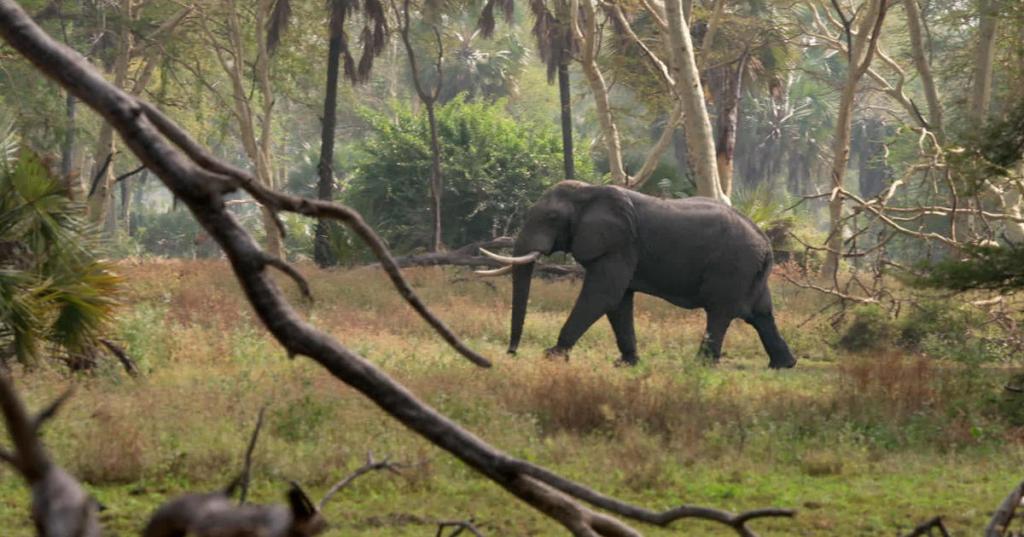
Above image : Elephant walking through Gorongosa National Park, dubbed ‘the Serengeti of the South’
Critiques of Mozambican Conservation Methods
Although Mozambique has made several significant strides to aid wildlife conservation in recent years, there are still significant areas of concern.
Some remote areas of Mozambique are poorly governed and have an underlying level of corruption which only exacerbates illegal poaching. Between 2010-2015 Mozambique lost 48% of its elephant population in a rampant display of poaching and negligence which is fuelled by the lucrative black market trade of ivory.
Additionally, lax legislation which has allowed habitat destruction due to agricultural expansion, logging and mining activities has decimated populations of wildlife. Although the government have taken steps to address these issues – it is their own inaction and allowance of these industries which have caused the issue initially. To ensure the future of Mozambique’s wildlife, strict anti-environmental degradation laws must be enforced.
Challenges to Wildlife Conservation in Mozambique
Lack of stable income – One of the main challenges to conservation in Mozambique is the pressure put upon the environment and its natural resources due to a lack of employment opportunities. People are dependent upon the land for agriculture, timber and bushmeat -amongst other exploitative activities. Although some of these practices are legal, many of them are not and they pose one of the largest threats to biodiversity in Mozambique.
Legacy of the civil war – The 15-year Mozambican civil war (1977-1992) took an insurmountable toll on the environment and wildlife of the country. Following years of civil war and habitat degradation, it is assessed that up to 90% of wildlife was lost. This has improved since, however, Mozambique is still feeling the scars left by such a loss of life.
Invasive species – Invasive species, such as the Nile Crocodile are a major threat to native Mozambican wildlife. They can compete for natural resources and push native species out of their usual habitats, where they cannot survive. Moreover, invasive species can also spread disease which the ecosystems in Mozambique are not equipped to deal with, leading to significant strain on native populations.
Climate change – Climate change and biome shift are major threats to wildlife in Mozambique. Rising temperatures and changing patterns of precipitation lead to the altering of native habitats and the number of natural resources available. Many organisms are unequipped to deal with this change and the ones that are unable to follow the biome shifting will become extirpated. Climate change threatens to destabilise native ecosystems and could lead to full ecosystem collapse.
Lack of resources – As Mozambique is still recovering from a disastrous civil war, there is still a lot of instability and the current unrest in the Cabo Delgado province. This means that for people still in conflict zones or areas still reeling from the war, wildlife conservation is sadly not a priority, as clean water, food security and energy needs take precedence. Unfortunately, this results in a lack of funding, personnel and infrastructure for the effective conservation practices that are needed in the country.
 Conservare